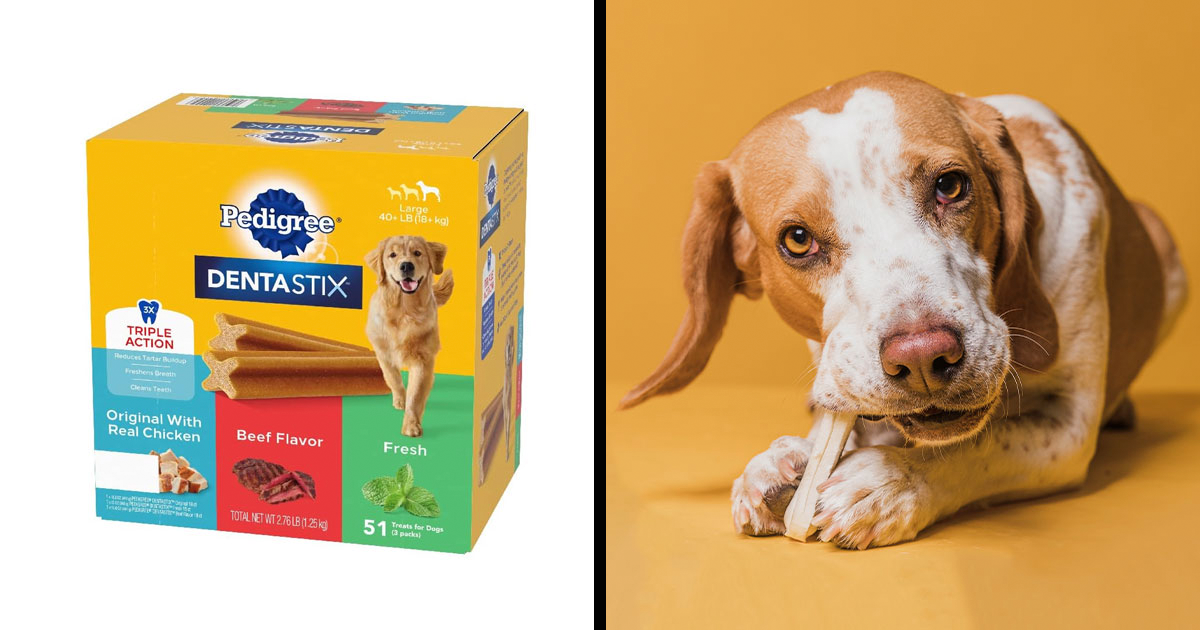
Essential Things to Consider When Choosing a Dog Dental Chew
Here are a few important things for you to have in mind before buying a dental chew for your pup.
VOHC Seal
The Veterinary Oral Health Council, commonly called VOHC, recognizes which products effectively reduce plaque and tartar accumulation. VOHC-approved chews usually undergo rigorous testing and are more likely to deliver desired results. A list of approved chews is available on the VOHC website.
Vet Recommendation
Before purchasing any dental hygiene product for your pet, your vet should examine it to ensure it best fits your pet’s teeth.
Size
Choosing the right size of chew or treat for your dog is crucial. If the chew is too slight, it won’t be effective and can be swallowed easily. If it’s too big, it can be a choking hazard. Select a product based on your dog’s breed and weight. Most products will indicate the appropriate breed type.
Your Dog’s Dental Health
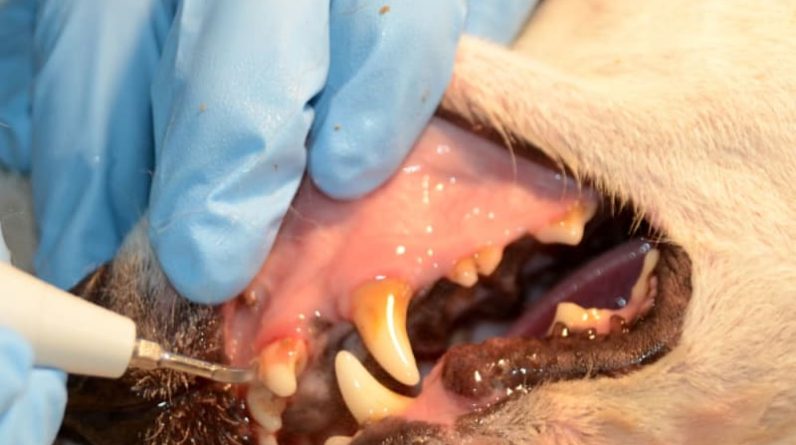
If your dog already has dental problems such as plaque buildup or gum disease, it is best to choose chews formulated to address these issues.
Ingredients
Choose dental chews with high-quality, natural ingredients to avoid harmful additives. If your dog has allergies or sensitivities, opt for hypoallergenic chews.
Calories
According to the WSAVA Global Nutrition Committee, you can use the following formula to determine your dog’s daily maintenance energy requirement:
- Active adult: 130 kcal x (BWkg)0.75
- Inactive adult: 95 kcal x (BWkg)0.75
Note: If your dog is on a calorie-restricted diet or is prone to weight gain, it’s best to choose a low-calorie treat. And remember: Treats like dental sticks should make up no more than 10% of daily calorie intake
Consistency
While crunchy treats are great, avoid giving your pet callous options like antlers or bones made of natural or synthetic materials. These treats can cause harm to your pet’s teeth, leading to cracked teeth or irritated gums.
The American Animal Hospital Association’s 2019 Dental Care Guidelines for Dogs and Cats recommends avoiding such treats. An excellent dental chew should be sturdy enough to clean your dog’s teeth and soft enough to prevent injuries. You can test the consistency of a dental chew by pressing it with your fingernail. It should yield slightly under pressure without being too soft or too hard.
Do Dental Chews Really Work?
Yes, dental chews can help promote dental health for dogs. However, they should be part of a comprehensive oral care routine. Dental chews aren’t a substitute for brushing your dog’s teeth or professional dental cleanings, but they can help maintain healthy teeth between cleanings.
According to the American Animal Hospital Association, dental chews are a proactive oral health management tool. The mechanical action of chewing on dental treats helps to scrape away plaque from the teeth, similar to how brushing does for humans.
Many dental chews are designed with textured surfaces or ridges that help remove plaque and tartar from hard-to-reach areas of the mouth. Some chews include ingredients like enzymes or additives that can help break down plaque and reduce bacterial growth.
Dental Chews Benefits
Here’s why incorporating dental chews into your dog’s routine can contribute to their overall dental health and well-being.
Plaque and Tartar Reduction
Chewing on dental treats helps mechanically remove plaque and tartar buildup from the teeth, reducing the risk of dental disease.
Fresher Breath
Many dental chews have ingredients like mint or parsley that help freshen breath. These ingredients neutralize odor-causing bacteria and help keep your pup’s breath fresh.
Gum Stimulation
Chewing promotes healthy gums by stimulating blood flow and reducing inflammation.
Prevents Dental Disease
Regular use of dental chews as part of a comprehensive oral care routine can help prevent and reduce the severity of periodontal disease, gingivitis, and other dental problems that lead to pain, poor health, and tooth loss.
Supports Overall Health
Dental health is closely linked to overall health in dogs. Poor dental health can lead to systemic diseases like respiratory infections and immune system disorders. Dental chews can contribute to a healthier immune system and reduce the risk of systemic diseases by maintaining good oral hygiene.
Mental Stimulation
Chews provide dogs with mental stimulation and entertainment. They help to alleviate boredom and reduce destructive chewing behavior. This is especially important for dogs with high energy levels or those prone to anxiety. By chewing, dogs release pent-up energy and stress.
Tips for Oral Care for Dogs
The following tips will help keep your furry friend’s teeth and gums healthy.
Regular brushing. Just like humans, dogs need regular teeth brushing. Use a dog-specific toothbrush and toothpaste to gently brush your dog’s teeth several times weekly to prevent plaque and tartar buildup.
Dental chews and toys. Dental chews and toys promote oral health. They can help remove plaque and tartar, massage gums, and freshen breath. Look for products that VOHC and veterinarians endorse.
Healthy diet. Feeding your dog a balanced diet can help promote dental health. Choose high-quality dog food and treats that support oral hygiene. Also, avoid feeding your dog table scraps, which can contribute to dental problems.
Regular check-ups. Schedule regular dental check-ups with your veterinarian to monitor your dog’s health. Your vet can perform professional cleanings and identify any dental issues early on.
Monitor chewing behavior. Monitor your dog’s chewing habits and provide appropriate chew toys. Avoid giving your dog hard objects like rocks or bones that could damage their teeth. Instead, give them dental chews and safe and effective toys for oral care.
Water additives. Consider adding dental water additives to your dog’s water bowl. These products can help reduce plaque and tartar buildup and freshen your dog’s breath with minimal effort.
Start early. Introduce oral care routines to your dog at a young age. This way, you can establish good habits. Puppies can learn to accept teeth brushing and chew on dental toys as part of their daily routine.
FAQ
What chews are best for dogs’ teeth?
When choosing the best chews for dogs’ teeth, consider the dog’s specific needs. We generally recommend dental chews with textures designed to scrape away plaque and tartar effectively. You should also consider the dog’s size, chewing habits, and dental health.
What’s the best thing to clean a dog’s teeth with?
Brushing your dog’s teeth regularly with a toothbrush and toothpaste made for dogs is the most effective way to clean their teeth. Dental chews, water additives, and a good diet can complement brushing.
How often should I give my dog dental chews?
This depends on various factors, such as your dog’s size, chewing habits, and overall dental health. As a general guideline, you should give dental chews a few times a week to maintain oral hygiene.
Discover the top-rated dental chews for dogs in 2024 recommended by veterinarians and experts. Keep your pup’s teeth healthy with the best dog dental treats.