Does the food I feed my pet matter? (DIETARY EFFECT ON DENTAL DISEASE)
Feeding dry food is not an effective method of controlling dental tartar as tartar is very hard and solidly adhered to the tooth surface. Dry food however is not as sticky as canned food and is less likely to adhere to the tooth surface and promote dental plaque. Dental plaque and tartar can accumulate for reasons such as individual mouth chemistry and immunity, facial and oral structure, tooth crowding and breed predispositions. Dental disease is highly individualized and an animal may need a dental cleaning on a routine basis and or may only require a dental cleaning every few years. Routine oral examination and frequent dental cleanings for animals with higher incidence of dental disease is more economical as this will reduce the overall cost of dental care by minimizing anesthetic time, radiographs, tooth extractions, suturing and tooth loss.
Can I have Dr. Kelly’s perform just the cleaning but not remove the diseased teeth (extractions)?
NO – We cannot perform a proper quality procedure without removing the diseased areas as needed. You would not ask us to remove part of a cancerous mass while letting some of mass remain. That being said, we have both your pet and your finances in mind and if there are some lightly compromised teeth with decent functionality remaining the doctor may elect to save these teeth for the pets greater benefit ultimately creating cost savings for you.
How often does Dr. Kelly’s Recommend I get my pet’s teeth cleaned?
Adult dogs & cats should be seen by their veterinarian at least once per year. Small and brachycephalic dog breeds may require more frequent cleanings once every six months due to shallow roots and the dental problems that come with them, including overcrowding and dental deformities.
We will send you a yearly reminder after your pet’s dental procedure to schedule the next treatment.
When should I start getting my dog’s teeth cleaned by Dr. Kelly’s?
There isn’t a one-size-fits-all answer to this question. Your dog or cat should be fully grown and healthy enough to undergo anesthesia. Two years is the ideal age for the first cleaning, particularly for small breeds. Reach out and we can discuss your specific pet and needs.
According to the American Veterinary Dental College, most dogs and cats show signs of dental disease by the age of three. If left unchecked, common dental problems such as persistent bad breath can lead to severe dental disease.
What can I expect from a Dr. Kelly’s Low-Cost dental procedure?
Anesthesia is required to deep clean your dog’s teeth and prevent disease.
First, for pets over 10 we will require pre-operative bloodwork. However, we do recommend pre operative bookwork for pets at any age but we understand this may create an additional unexpected cost.
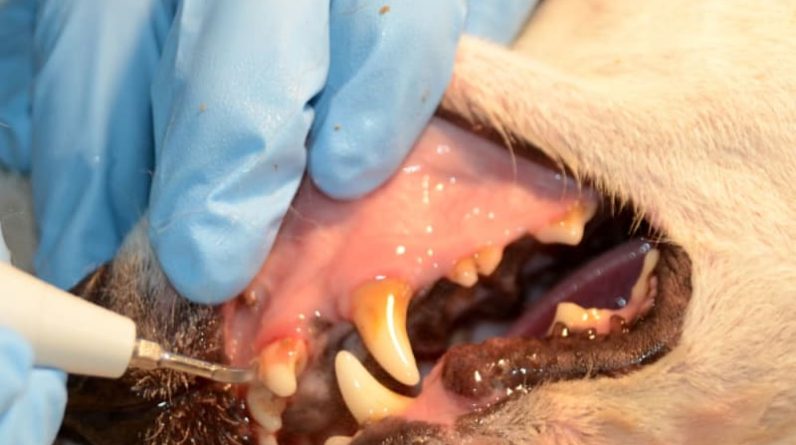
During the procedure, we will monitor your pet’s vital signs and use dental instruments to polish the teeth and remove plaque and tartar from underneath the gums.
After the procedure, your dog will remain in recovery until the anesthesia wears off. On the return home, your dog will likely be lethargic and thirsty due to the mild side effects of the anesthesia.
How to tell if your dog has dental disease?
See the list described above Warning Signs of Dental Disease.
How can I keep my pet’s teeth healthy between cleanings?
Most dogs and cats will have all their adult teeth by the age of six months. Ideally, you should start at-home dental care around this time. The earlier you start, the easier the process for both you and your pet. Starting later in life often is met with resistance from your pet.
Here are a few ways you can keep your buddy’s teeth pearly and white:
Dr. Kelly’s Tips for proper dental health:
Many pet parents, particularly those with stubborn or independent fur-babies, will balk at this suggestion. The key is to start brushing as soon as “pawssible” using a finger brush and a tasty doggy toothpaste. Some toothpaste varieties come in yummy flavors like chicken, fish and beef.
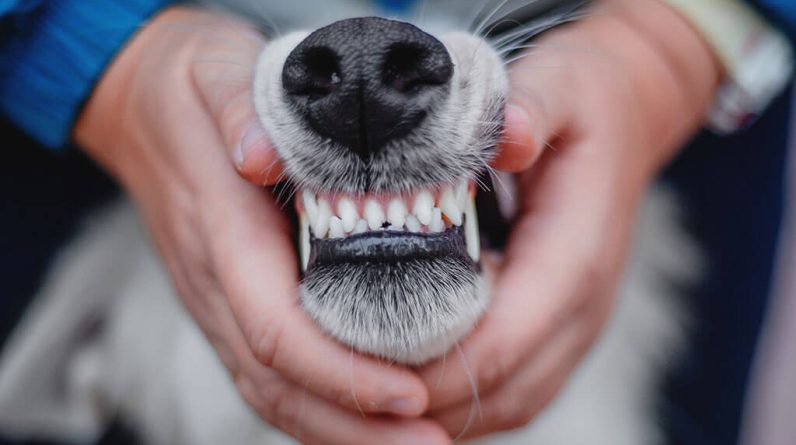
Brushing your pet’s teeth can go a long way toward preventing dental disease. Some pets resist brushing, but most eventually accept it, especially if you start a brushing routine when your pet is young (10 weeks to 10 months). Aim at brushing your pet’s teeth once a day or at least 3 times a week.
- Step 1: Choose a pet tooth paste your pet likes. Please do not use human tooth paste or tooth brushes (Human toothpaste may be toxic in pets if ingested, and human toothbrushes are too big usually for their mouths). Place a small amount of toothpaste on your finger, and offer it to your pet daily for several days as a reward or treat. This will condition your pet to view brushing as fun and rewarding. Once your pet accepts toothpaste as a reward, use your index finger to stimulate the brushing motion of a toothbrush, while praising the pet and giving the daily dose of flavored toothpaste.
- Step 2: In five to seven days introduce a soft bristled pet toothbrush. Apply a small bit of the flavored pet toothpaste at the beginning and end to reinforce the conditioned behavior. Position the brush at a 45-degree angle to the TEETH. Make small circular motions beginning at the back of YOUR pet’s teeth moving forward and around to the other side. Eight to ten strokes are sufficient for any given area.
Treat your buddy with dental chews and toys. The act of chewing removes plaque from your pup’s teeth. When purchasing a dental chew, scan the ingredients list for artificial colors and other potentially harmful ingredients. We recommend steering clear of rawhide bones, which are difficult for dogs to digest and present a choking hazard.
Examine your dog’s diet. Commercial dog foods that are rich in starch can be bad for your buddy’s teeth — and their tummy. Also, if you’re going to treat your dog to table food, stick with crunchy, nutrient-rich foods like raw carrots, green beans, and celery. (In fact, celery acts as a doggy breath freshener!) Be sure any table treats are unseasoned.
HAVE MORE QUESTIONS? CALL US TODAY TO DISCUSS YOUR PETS TEETH!
Dr. Kelly’s Surgical Unit offers the BEST Low Cost Affordable Pet & Dog Dental Teeth Cleaning Services in Phoenix & Tucson AZ metro areas